
SS Officer Hermann Brandl, also known as the head of the infamous black market organization in wartime Paris called “Otto” left France in a hurry shortly before the Liberation with at least one if not two truckloads full of loot. One item that he had stolen was a painting by Pierre-Auguste Renoir, entitled “La femme au puits”, also known by its German title as “Junge Frau am Brunnen.” Renoir had painted this modest work in the area around Cagnes-sur-Mer in 1886.
 |
| Junge Frau am Brunnen, Pierre-Auguste Renoir Source: ERR Project via Bundesarchiv |
Captain Doubinsky, Rose Valland’s deputy in the French Zone of Occupation, located the warehouse where Brandl had stored the goods he plundered in France in a small farming community called Kölblöd west of Passau, and had them transferred in early 1949 to the Munich Central Collecting Point for further identification. “La Femme au Puits” was one of a small group of paintings by Renoir among the many works stolen by Brandl from Nazi victims as well as dozens of decorative objects, furniture items, antiques, and works on paper.
 |
| Ko 7, front Source: MCCP Datenbank via Bundesarchiv |
 |
| Ko 7, back Source: MCCP Datenbank via Bundesarchiv |
The Renoir painting was repatriated to France on June 3, 1949. Owner unknown, the painting was consigned to the French museum authorities for ultimate disposition. As had happened with so many other unclaimed looted works of art of museum quality, “La Femme au Puits” ended up in a Paris museum depot where it languished for decades before being transferred to the depot of the Musée d’Orsay, a museum in the heart of Paris inaugurated in December 1986 to house mostly 19th and 20th century works of art. In 1995, “La Femme au Puits” left the Orsay Depot and headed south to the sunny shores of the French Riviera where it is now at the Musée Renoir in Cagnes-sur-Mer. It is doubtful that the public will be made aware of the checkered history of this small painting which is waiting for its rightful owner to identify and claim it.
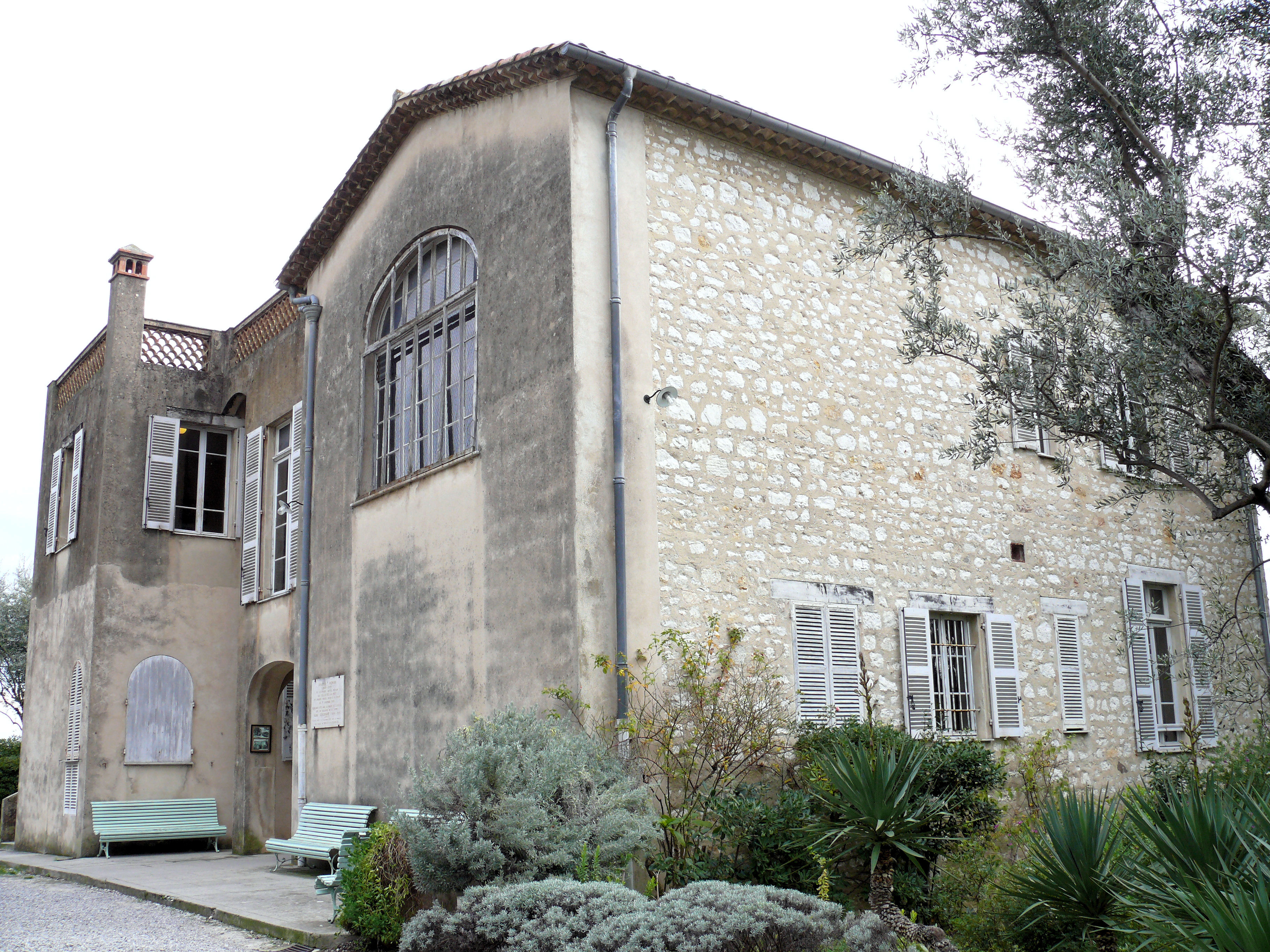 |
| Musee Renoir, Cagnes-sur-Mer Source: Wikipedia |