
Before there was any talk of restitution of looted art to families of individuals whose cultural assets had been stolen and misappropriated in Axis-controlled Europe between 1933 and 1945, provenance research did not even exist as a specialty, let alone as a concept worthy of address. When works or objects of art were suspected of having a less than savory past, it was incumbent upon civil servants in State-owned museums to look into the ownership history of these objects in search of that piece of information which might determine its plundered origin and, most importantly, ascertain who the rightful owner was and if that person or entity had recovered the suspected object.
 |
| Landscapes with Smokestacks, 1890, Edgar Degas Source: Art Now and Then |
Ownership history, but not provenance research. Provenance was a pro forma addition to the description of an object, that never extended beyond the previous owner, if that. Should that person be of a certain rank or status or evoke historical resonance—Duke of Marlborough, Joseph Bonaparte, Count Lubomirsky, Edouard de Rothschild—it was worth mentioning and fleshing out.
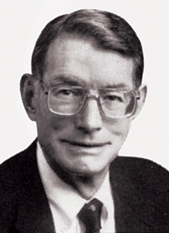 |
| Daniel Searle Source: Northwestern University |
Ever since the controversial recovery in the mid-1990s of a pastel by Edgar Degas from the clutches of Daniel Searle, a billionaire who sat on the board of trustees of the Art Institute of Chicago which led to a bitter civil suit between the Goodman heirs—the spoliated party—and Daniel Searle, the then current owner–, provenance took on a completely different turn and meaning. All of a sudden, while historians had not yet caught up with the complexities associated with Nazi-ordered plunder and spoliation and their implications in the postwar world, lawyers, judges and government officials were forced to weigh in and assess the credibility of long-past historical data in an area where they probably knew something about Hitler, Mussolini, D-Day, and the bridges at Arnhem, but not much more. Let’s not even mention curators and museum directors whose knowledge of the war and Nazi looting was reduced to movies, newsreels, and a handful of general books that they might have read on the subject.
.jpg) |
| Art Institute of Chicago Source: Wikipedia |
Jest aside, provenance research for the defense meant that historical evidence had to support the rights of the current owner, or, to put it in blunt terms, historical evidence, much like forensic evidence at a criminal trial, would be presented insofar as it supported the case for the defense. Similarly, historical evidence was introduced to buttress the claims of the purported victims who sought the return of their property some sixty odd years after the crime.
Historical documents should never be made to serve either parties. Historical accuracy is all that is required and let the chips fall where they may. For instance, cases of duress or forced sales are the most contentious to date, because the evidence is complex and the stakes are high as the pieces under scrutiny are worth millions of dollars and museums are fighting tooth and nail to prevent them from being returned, while claimants are seeking to establish that a misappropriation occurred during the formative years of the Third Reich.
 |
| George Grosz Source: Wikipedia |
In the lawsuit opposing the heirs of German satirist and Expressionist artist, Georg Grosz, to the Museum of Modern Art in New York, new lows have been reached in the presentation and argumentation of historical evidence central to the issues of the case—did Georg Grosz receive adequate compensation for works that his heirs claim were illegally sold at a time of increasing persecution in Nazi Germany?
The experts for the Museum of Modern Art needled the plaintiffs about how to interpret the relationship between Grosz and his dealer, while the plaintiffs’ expert asserted that Grosz had never been compensated for the works under question and that MOMA had obtained them knowing full well that Grosz might actually be the rightful owner but passed over critical aspects of the historical evidence.
Although a separate article is required to explore the depths of this significant case which was settled in favor of MOMA in 2010, the case was rife with accusations from the plaintiffs alleging withholding of key documents by MOMA and unethical behavior by its senior staff, while MOMA’s experts questioned the fact that Grosz had been plundered and suggested that he could go outside of Nazi Gemany to find a buyer for his works and that perhaps he had been compensated by his dealer, Flechtheim, who himself was spoliated by the Nazis.
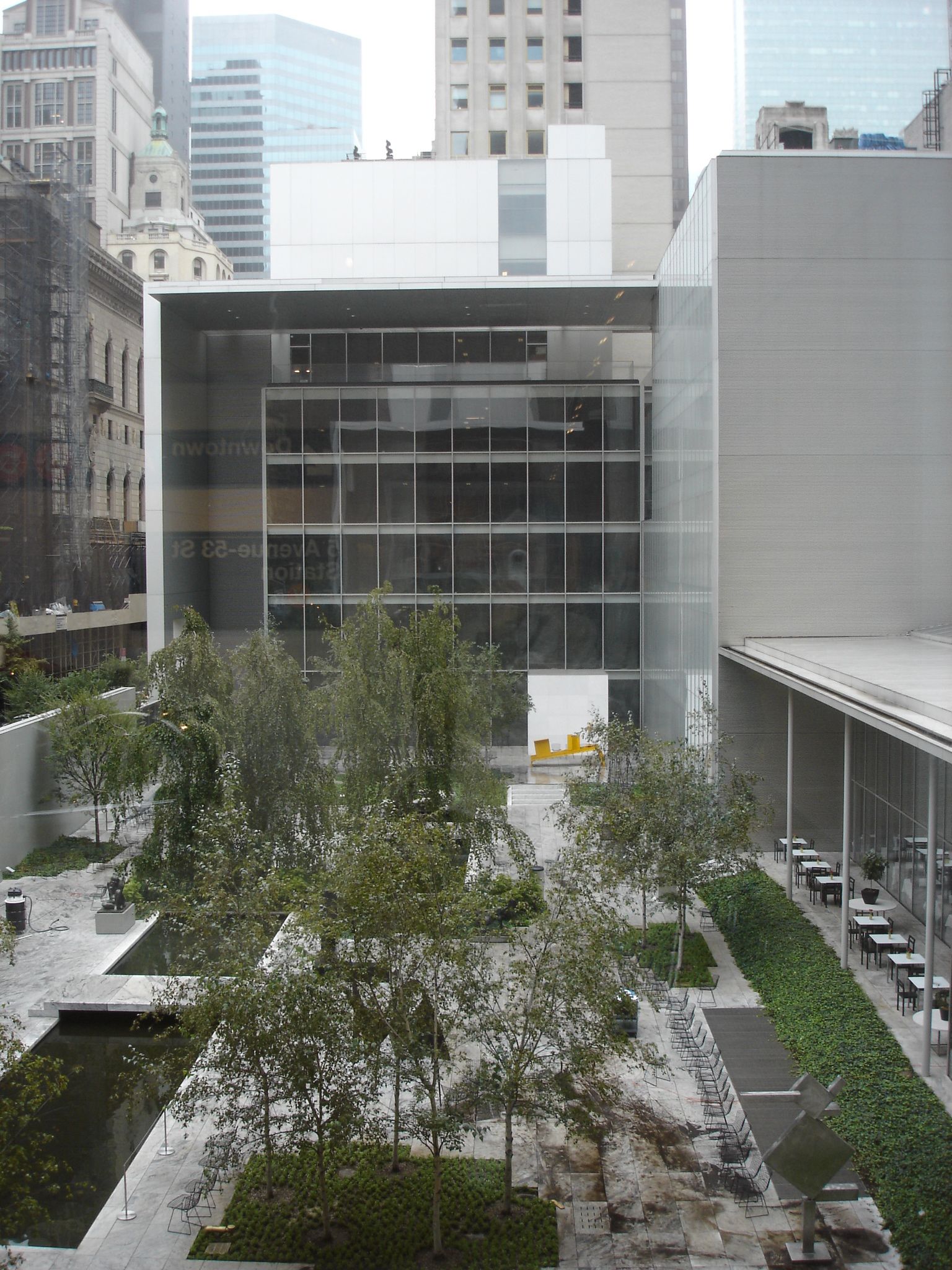 |
| Museum of Modern Art (MoMA), New York Source: Wikipedia |
As interest grows exponentially amongst university and college students in North America and Europe who contemplate a career as provenance research specialists and who wish to specialize in this complex field which is highly inter-disciplinary, there is a correlative ethical question that accompanies such specialization: will they be able to treat historical evidence in an objective manner within the framework of litigation opposing a so-called good faith purchaser (current owner) to a claimant purporting to be the rightful owner? Will provenance research become like any area of specialty where legal conflicts divide experts between pros and cons over the same body of evidence, fueling potential misuse of historical documentation, testimonials, to suit the restrictive context of a litigation?
It is critically important for academic institutions, publishers, and individuals alike to produce detailed and unimpeachable analyses of the dynamics, mechanics, and processes of plunder as they evolved in each country under Axis control, the interrelationship between the market and State-sponsored plunder, the role of art professionals in the abetting of State-sponsored plunder and looting in territories occupied by the Nazis, and the postwar evolution of the art market within the framework of a failed policy of cultural restitution.